
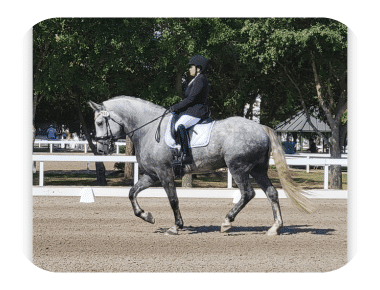
Returning to Horseback Riding as an Adult: How to Choose the Right Program
Horseback Riding as an Adult in the Austin Area
Maybe you rode as a teenager, spent summers at horse camp, or simply decided that now is the time to pursue something you’ve always wanted to do.
Either way, you’re not alone.
There is a quiet beauty in the adult rider who swings a leg over a horse for the first time, or for the first time in many years. There is excitement, mixed with hesitation and sometimes a little fear. It takes courage to learn something new as an adult, especially when that something involves a 1,000-pound animal.
As adults, our brains are very good at recognizing risk and trying to protect us. That’s a very different mindset from learning to ride as a child, and a good instructor understands that difference. This guide is for both adults returning to horseback riding after time away and adults beginning horseback riding for the first time. We’ll look at what to expect, what to look for in a riding program, how to choose an instructor and lesson horse, and how your riding can progress over time.
We’ll use White Fences Equestrian Center in Manor, Texas, as an example of a structured adult riding program, but these are useful questions to ask when evaluating any barn.
What to Expect From Your First Horseback Riding Lesson or Assessment
Many riding programs begin returning and new riders with an assessment lesson. The purpose isn’t to pass or fail you. It’s to determine where you are now and create an appropriate starting point. At White Fences, every new rider begins with a structured assessment before entering the regular lesson program
A good first visit should include more than simply getting on a horse. Expect a conversation about your riding background, including when you last rode, the disciplines you’ve experienced, your comfort level at the walk, trot and canter, and what you’d like to accomplish now. Horsemanship should be part of the experience too. That may include learning or refreshing how to catch a horse, groom, tack up, lead safely and untack after the lesson.
Then comes the riding.
For a beginner or someone returning after a long break, the emphasis should be on comfort, safety and establishing a baseline. There may be plenty of walking, basic steering and halting, position work and perhaps some trot work on an appropriate horse.
Nobody needs to prove anything on the first day. And don’t be surprised if you’re tired before you’ve done very much riding.
I remember the first time I got on a horse after having a baby. I’d had a difficult birth and an emergency C-section, and when I finally reached the six-week mark, I was so excited to get back in the saddle. My breeches didn’t quite fit. That was okay. I needed a double sports bra. Also okay. I got my horse, groomed him, tacked him up and managed to squeeze into my tall boots. I was exhausted!! and I hadn’t even gotten to the riding portion of my lesson.
Coming back takes time.
Choose an Instructor Who Understands Adult and Returning Riders
An instructor’s ability to teach adult riders matters. Adults tend to ask different questions than children. We often want to understand why we’re doing something, not simply be told to do it. A good instructor should be able to explain the mechanics behind an exercise, adjust the pace when necessary and understand that adult riders may be balancing riding with careers, children, families and other responsibilities. Some of my favorite trainers have also been able to connect what happens in the saddle with what happens outside the barn.
A horse reads your body language. You learn to regulate your emotions even when your horse isn’t doing exactly what you expected. You learn when to insist, when to soften, when to try again and when you’re contributing to the problem. Those lessons have followed me into meetings, business and parenting.
Returning riders may also need help reconnecting concepts they once understood, outside rein, half halt, leg yield. with clearer explanations than they received years ago. When considering a riding program, ask questions:
- How many adults do you teach?
- Do you regularly work with riders returning after 10 or 20 years away?
- What would my first few months look like?
- How will you determine which horse I ride?
- How do riders progress through your program?
If possible, watch a lesson.
Pay attention not only to what the instructor teaches but how corrections are delivered.
At White Fences, our instructors work with adult riders ranging from true beginners and returning riders through competitive dressage riders.
Finding the Right Lesson Horse
The perfect horse isn’t necessarily the fanciest horse in the barn. It’s the horse that’s right for you right now. A good lesson horse should match your current riding ability, balance, confidence, physical needs and goals. Someone who last rode at summer camp as a teenager and someone who competed seriously before taking a 20-year break may both be “returning riders,” but they don’t necessarily need the same horse. And even if you once jumped courses or galloped confidently across fields, you may initially return on a quieter horse.
That’s not moving backward.
You’re rebuilding timing, strength, feel and confidence. I’ve seen people complain that a school horse is difficult to get moving forward. Sometimes that’s a legitimate training issue, and barns are absolutely responsible for keeping their school horses healthy, comfortable and appropriately trained. But sometimes the rider is accidentally telling the horse “go” and “stop” at the same time.
A good school horse may simply stop and give you a chance to figure it out. A less forgiving horse might take you quite literally when you accidentally say GO. 🙂
At White Fences, trainers choose lesson horses based on the individual rider and may adjust the horse assignment as the rider progresses. Our school horses are part of the teaching program, not simply horses available to ride.
Private Lessons, Semi-Private Lessons and Making Progress
Adults usually benefit from a riding program with some structure. Private lessons can be particularly useful for true beginners, riders rebuilding confidence or riders working on specific issues with position, balance or communication. Semi-private lessons can add a social element while still providing individualized instruction when the riders are appropriately matched.
Most importantly, make riding an appointment with yourself. Put it on the calendar.
For many adults, once a week is a realistic place to start. As you progress, additional lessons or leasing may provide more saddle time and allow you to develop a more consistent relationship with one horse.
Set goals, but make them your goals. A short-term goal might simply be trotting a circle without losing your balance. Later, you may want to ride a dressage test, participate in a clinic, lease a horse or compete at a schooling show. Or you may decide that your favorite thing in the world is spending one afternoon a week at the barn.
That’s a perfectly legitimate goal too.
Safety, Helmets and Barn Standards
Horseback riding involves inherent risk, which makes good instruction and sensible safety practices especially important. At minimum, look for a program with clear expectations around helmets, appropriate footwear, safe horse handling, arena etiquette and supervision. At White Fences, helmets are required for lesson riders, and new riders learn barn safety and horsemanship as part of the lesson process.
Before riding, you should understand basic practices such as:
- Properly fitting and fastening your helmet
- Wearing boots with an appropriate heel
- Safely leading and handling a horse
- Checking tack before mounting
- Mounting and dismounting appropriately
- Maintaining safe spacing between horses
- Understanding basic arena etiquette
- Recognizing when something doesn’t feel right
And you should be able to ask questions.
- “Is this girth tight enough?”
- “Why are we using this bit?”
- “Why does this horse need this saddle?”
A good riding program should teach you to become a more knowledgeable horseperson, not simply put you on a horse for 45 minutes.
Rebuilding Strength, Balance and Horsemanship
If you’re returning to riding after years away, you may remember what to do long before your body remembers how to do it.
That’s normal. Riding asks a lot from your core, hips, legs, back, balance and coordination. Give yourself time to rebuild those skills. Don’t underestimate the value of walk work either. Transitions, circles, changes of direction and position exercises at the walk can improve balance and body awareness without simply adding speed.
Work outside the barn can help too. I’ve personally noticed a difference in my riding since adding Pilates to my routine, particularly in areas where I tend to get tight. Other riders may find yoga, strength training, stretching or mobility work helpful.
But riding isn’t only physical. For many adults, the barn also provides something increasingly difficult to find: time when you’re completely present. You can’t answer emails, scroll through your phone or think about tomorrow’s meeting while you’re trying to communicate with a horse. We’ve heard clients say again and again that when they arrive at the barn, everything else seems to fade away for a while.
Horsemanship is part of that experience. Learning to groom, tack up, lead safely and recognize how a horse feels under your hands helps you become an independent, capable horseperson rather than someone who simply shows up for the mounted portion of a lesson.
From Riding Lessons to Dressage, Leasing and Horse Ownership
One of the most important things to consider when choosing a riding program is whether it can grow with you. You may begin by wanting one lesson a week. Six months later, you may want more saddle time. Eventually, you might want to lease a horse, compete in dressage or even own a horse of your own. A progression might look something like:
- Begin with weekly riding lessons
- Build confidence and independent riding skills
- Add another lesson or additional riding time
- Explore leasing a horse
- Participate in clinics or schooling shows
- Begin competing in dressage
- Eventually purchase and board your own horse
None of those steps are mandatory.
White Fences supports riders from school horses and lessons through leasing, showing, dressage training and eventually full-care boarding for riders who purchase their own horses.
You don’t have to know on day one where riding will eventually take you. That’s part of the fun.
How White Fences Works With New and Returning Adult Riders
At White Fences Equestrian Center, new riders begin with an assessment lesson at our 51-acre facility in Manor, just east of Austin. The assessment gives the instructor an opportunity to understand your experience, confidence and goals and to determine an appropriate starting point.
You don’t need to own a horse to begin. School horses are available, and riders can progress through structured lessons before considering options such as leasing. Our program is dressage-based, with instruction available for riders ranging from beginners and returning adults through competitive riders pursuing advanced goals.
Most importantly, adult riders aren’t an afterthought. You don’t need to have ridden as a child. You don’t need to own a horse. You don’t need to have competition goals. And if you rode years ago, you don’t need to return at the level where you left off. You just need somewhere appropriate to begin again.
Questions to Ask Before Choosing a Riding Program
Before committing to a barn, ask:
- Who will be teaching me, and how often do they teach adults?
- Do you regularly teach complete adult beginners?
- Do you work with riders returning after a long break?
- How do you decide which horse I’ll ride?
- What is your helmet policy?
- What will progression look like during my first three months?
- Can I observe a lesson?
- Will I learn grooming, tacking and horsemanship as well as riding?
- What opportunities are available if I eventually want more riding time?
- Can the program grow with me if I decide to lease, show or eventually own a horse?
Visit in person if you can. Watch how the staff interact with both horses and students. Look at the condition of the horses and facility. Pay attention to whether the environment feels organized, professional and welcoming. And ask questions.
The right program shouldn’t make you feel silly for asking them.
Ready to Get Back in the Saddle?
Whether you’re returning to horseback riding after 20 years away or you’ve finally decided to take your first lesson as an adult, you don’t need to know exactly where the journey will lead. You just need the right place to start.
If you’re near Austin, you can learn more about adult horseback riding and dressage lessons at White Fences Equestrian Center and schedule your assessment lesson at our facility in Manor, Texas.
Schedule Your Assessment Lesson
Dressage & Horseback Riding Lessons